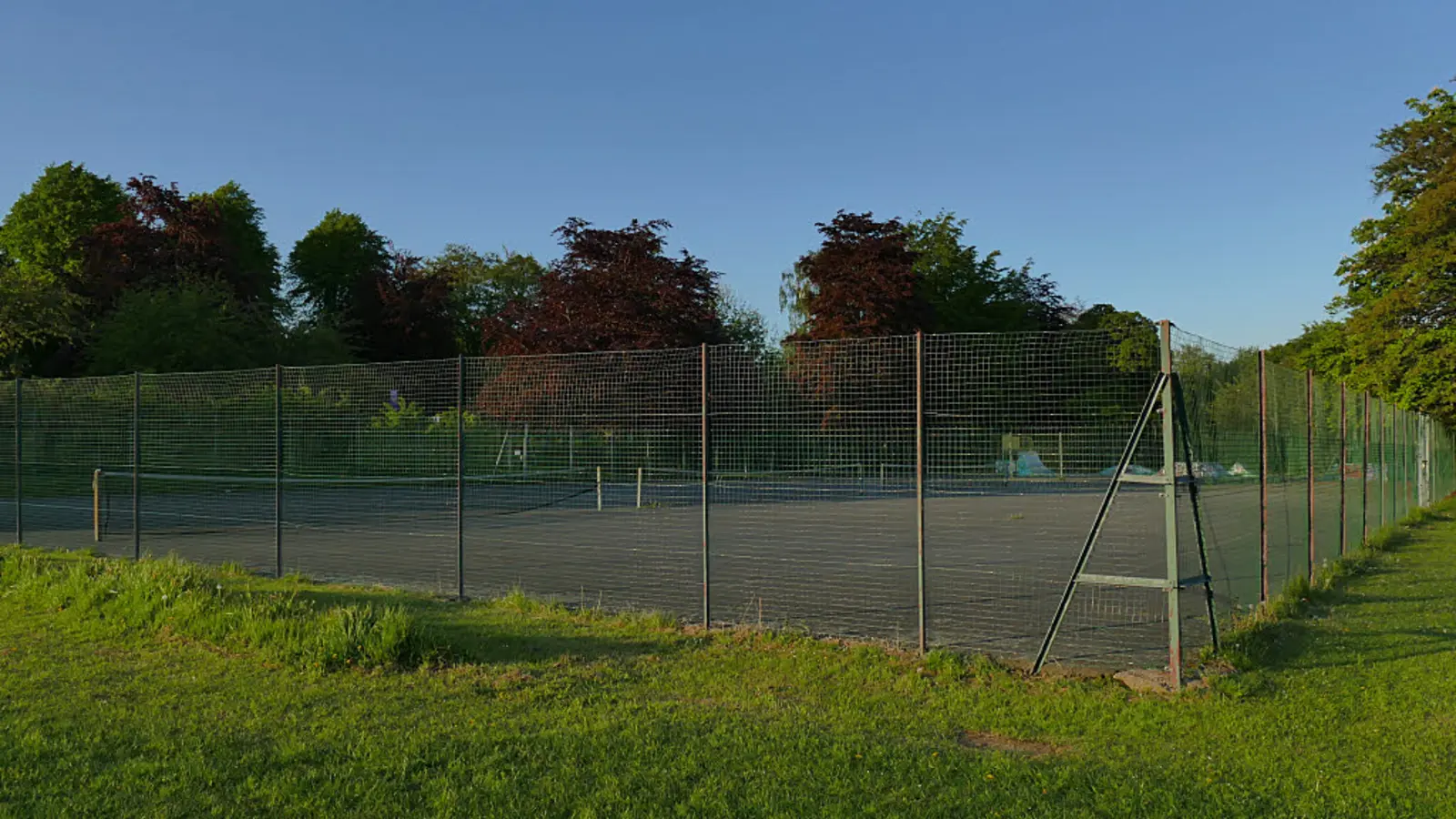
On the field
Zionc keeps tennis pages focused on structure: what actually changes outcomes (form, matchups, schedule, tactics), not recycled hype.
What usually shifts outcomes
Serve location, return depth, break-point conversion, and how players manage long rallies after a three-setter the day before.
Watching live
Watch first-serve percentage by court side, how returners adjust depth, and whether break points are saved with pace or placement.
Season rhythm
The tour moves surface to surface: clay grind, grass speed, indoor hard courts in fall. Ranking points cluster around Masters weeks, so load management shows up as retirements and shorter rallies long before the headline upset.
Local club players in the Hudson Valley feel the same whiplash when indoor season ends and outdoor clay starts. Give a player two weeks on a new surface before you rewrite their whole profile.
Before you watch
Check the draw path: three-setters in consecutive days matter. Note head-to-head styles, especially lefty forehands into backhands. If you join mid-match, rewind the prior service game before you pick a momentum story.
- Serve patterns: wide on deuce, body on ad, or predictable to the backhand.
- Movement: who slides on clay versus who prefers flat footing indoors.
- Tiebreaks: who raises first-serve pace when games tighten.
Common misreads
One ace count does not equal serve dominance if second serves leak. A loud forehand winner can hide weak defensive resets. Track who controls the middle of the court over full sets. Let a three-set sample pass before you declare a serve broken.
Bottom line
Use this guide when you preview a match or catch up between sets. Spot something stale? Tell us and we will fix it.