On the field
Zionc keeps american football pages focused on structure: what actually changes outcomes (form, matchups, schedule, tactics), not recycled hype.
What usually shifts outcomes
Down-and-distance tendencies, pass-rush matchups, red-zone play calling, and special teams hidden yardage separate tight games.
Watching live
Track momentum shifts, lineup changes, and how coaches adjust when the game tightens, then compare that to what the broadcast is emphasizing.
Season rhythm
College and pro weeks build toward one main window: injury reports on Friday, inactives on Sunday morning, then a short turnaround before film study starts again. Bye weeks and short weeks move the entire game plan, not just rest.
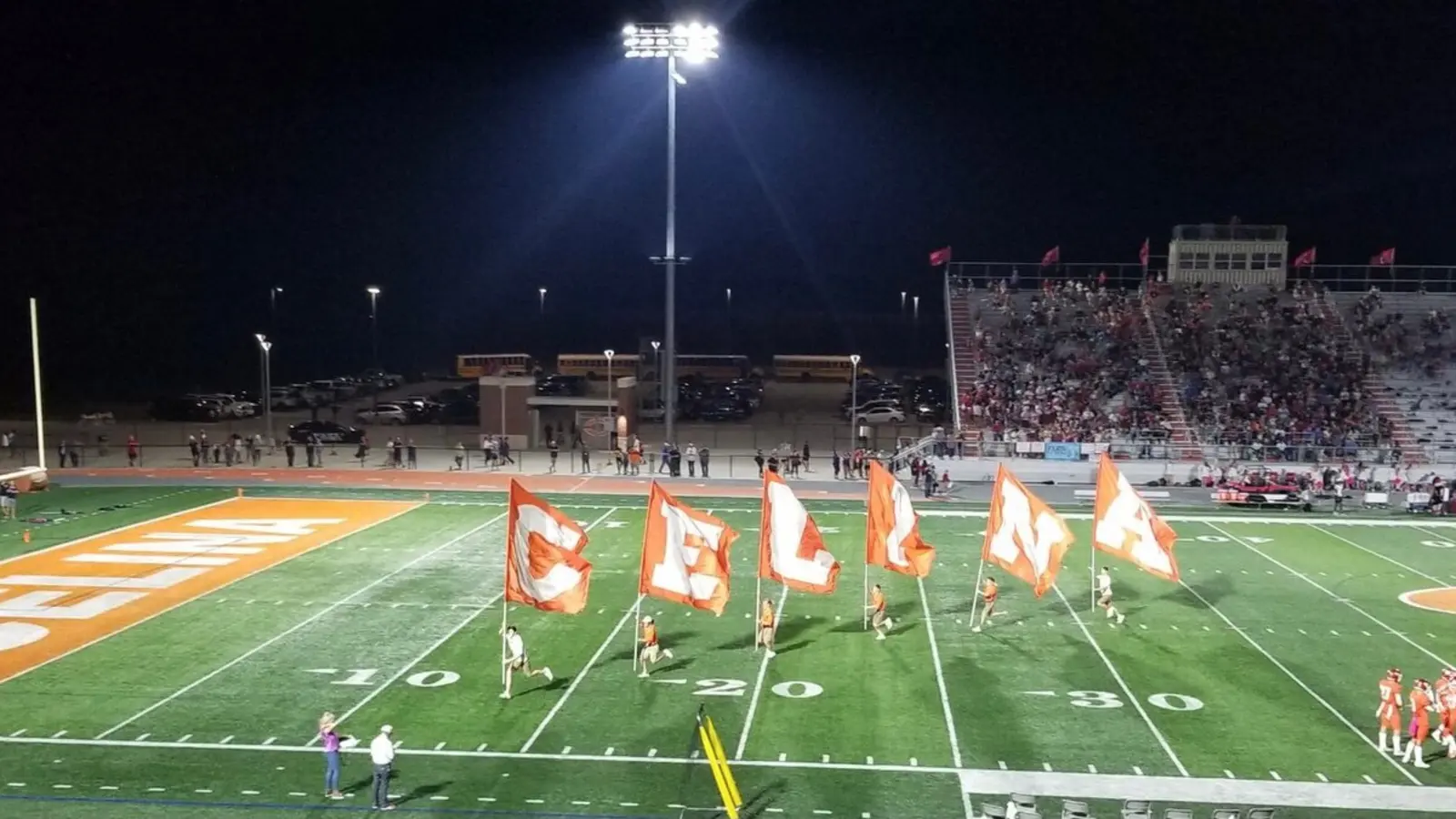
Friday night lights still anchor fall weekends around the Valley. When a local squad plays back-to-back road games, watch for conservative play calling before you label a quarterback cold.
Before you watch
Scan the injury report for offensive line combinations and secondary depth. Note weather and whether either team is on a short week after a Monday or Thursday game. Write down one matchup edge you expect so you can check it against what actually happens.
- Early downs: run rate on first and second versus obvious passing downs.
- Pass rush: who wins one-on-one off the edge and who chips the tight end.
- Hidden yards: punt and kick return field position swings field-goal range.
Common misreads
Box-score yardage hides success rate. A team ahead may bleed clock and look worse on paper while playing the right script. One explosive play is not a trend until it repeats with scheme, not luck. Compare third-down paths across a month before you trust one primetime storyline.
Bottom line
Use this guide when you preview a game or catch up after kickoff. Spot something stale? Tell us and we will fix it.