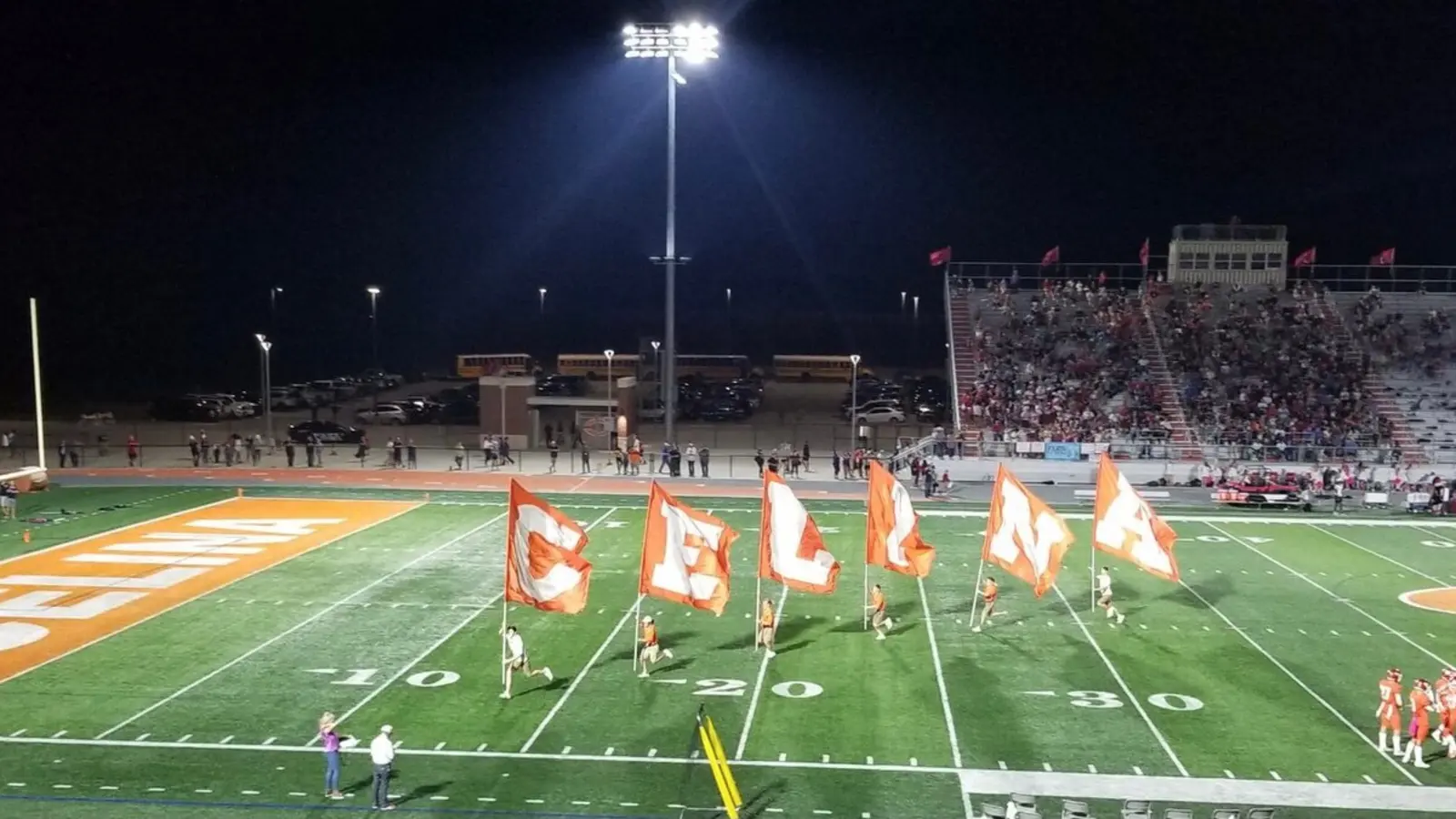
On the field
Zionc keeps soccer pages focused on structure: what actually changes outcomes (form, matchups, schedule, tactics), not recycled hype.
What usually shifts outcomes
Travel, pressing shape, set-piece routines, and whether the squad can sustain intensity for ninety minutes, not just the names on the team sheet.
Watching live
Track when managers change shape, how subs affect pressing, and whether a lead is protected or chased with width.
Season rhythm
League calendars run Saturday-to-Saturday blocks with midweek cups layered on top. Form tables lie when you ignore travel: three matches in seven days often show up as late pressing errors before the broadcast mentions congestion.
Community sides in the Hudson Valley still feel that rhythm when college and pro schedules overlap. A cold rain game on a community pitch can look like poor finishing when it is really heavy legs from a midweek bus trip.
Before you watch
Check the team news for the spine: goalkeeper, holding mid, and primary striker. Note whether either club played a long away leg within the last seventy-two hours.
- Pressing trigger: do they press high after goal kicks or only after turnovers.
- Set pieces: who delivers corners and who attacks the first contact.
- Game state: teams protecting a one-goal lead often drop ten yards and invite crosses.
Common misreads
Possession percentage can flatter a side that never breaks the last line. A single red card skews xG for the rest of the match. Read chance quality and defensive shape, not just the scoreboard.
Bottom line
Use this guide when you preview a match or catch up at full time. Spot something stale? Tell us and we will fix it.